Welcome to your weekly Brew & AI
Each week, I’ll share how to make sense of AI - no jargon, no hype, just simple insights you can actually use.
P.S. - To ensure you receive this newsletter, please move it to the primary tab and set it for all future communications. Or just add this emailid as a known contact. I wish AI could solve this for me.
Grab your coffee - let’s dive in. 👇
☕ AI in the news
Here we go again, never a dull moment in the AI race.
ChatGPT App Store: OpenAI’s been making some moves. Most recently, they’ve now launched an “App Store” - companies can submit their apps to ChatGPT.
What this means for us, is that we can now interact with our favorite apps directly in ChatGPT. My take is that it’s moving towards a new interface for the internet - one where you need no more apps, but just ChatGPT.
For example, ask ChatGPT to use Booking.com or Expedia to look for flights/hotels for you. Or ask it to create a playlist on Spotify or Apple Music. Just type “@” in a chat to see the entire list.

ChatGPT app store
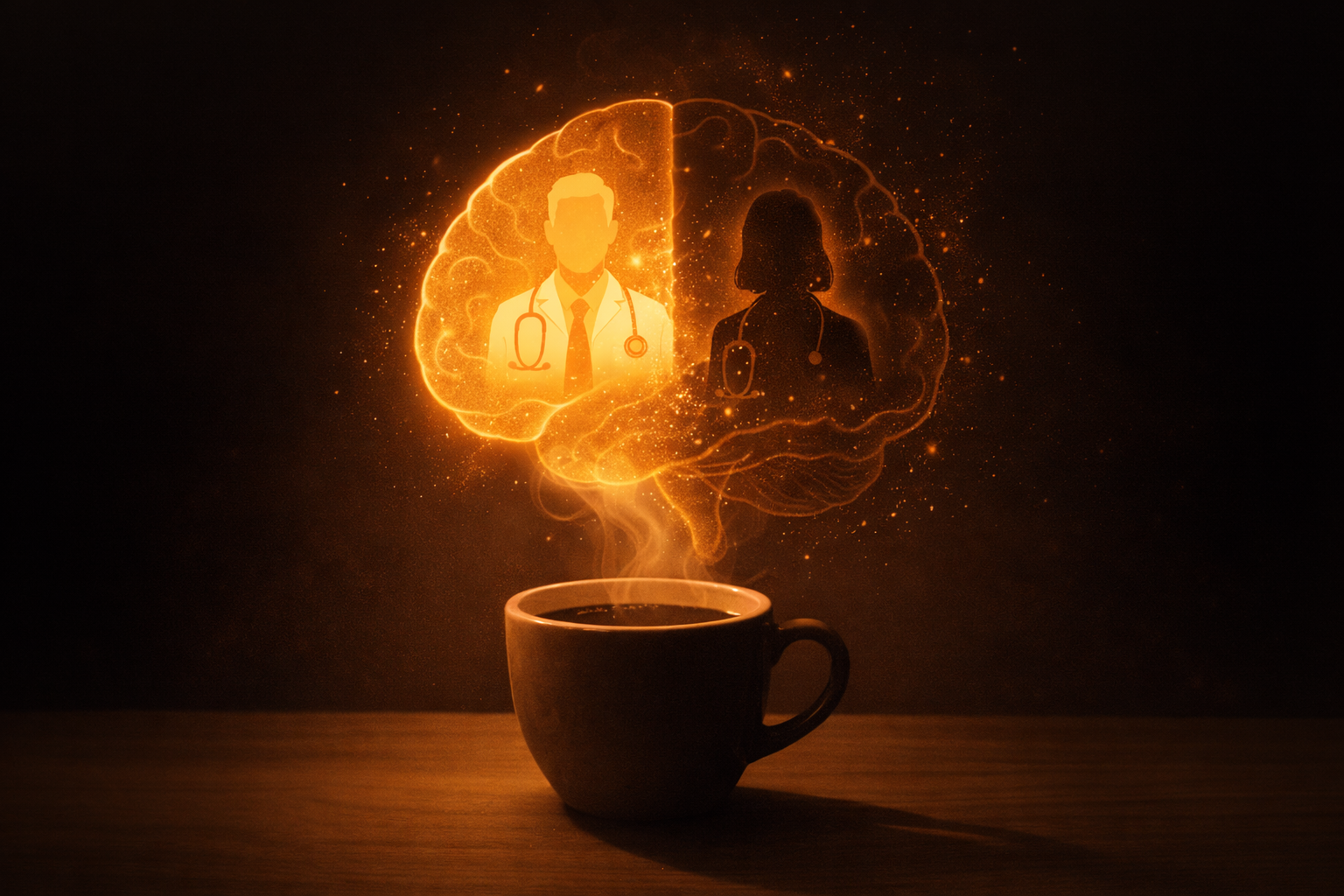
ChatGPT Images: In a means to catch Google in the AI image race, OpenAI has now launched images. Essentially, a tab on ChatGPT dedicated to image generation. I’ve tried this out (the blog cover image is generated via the new model). Seems to be a big improvement over the previous image gen model it had. Here’s OpenAI CEO Sam Altman launching the feature on X.
☕ Guides
Here’s guide #3 - How to build a habit with AI in a week. It includes one step for every day of the week to help you grow your AI skills.
Save this one and refer to it whenever you come across something you don’t quite understand.
For now these are newsletter exclusive. They’ll be up on the website soon.

☕ This week’s blog
Early AI models had a bias problem - and it showed up in very real ways.
Some face-recognition systems were far more likely to misidentify Black faces than white ones, while image and language models often defaulted doctors to white men or struggled to tell East Asian faces apart.
These weren’t glitches or bad intentions - they were the result of models learning from an internet full of skewed data and stereotypes. When you understand those early failures, it becomes much easier to see both what AI got wrong and how newer models are trying to fix it.
Hope you like this one - do leave me a like once you’re done reading it, helps me better understand what concepts stick and how to plan ahead.
💛 P.S.
That’s it for this week’s brew.
I’d love to hear what you think - what you liked, what could be better, or what you’d love to see next.
Just hit reply - I read every message over my morning coffee ☕.
Brew & AI
Making AI simple, one sip at a time